Reforestation & Water Reuse
Recycled water from the fort is used to support trees on the surrounding hill, helping sustain the restored landscape.
The Fort, The Lake and countryside are the three big attractions of Ramathra Fort. The ideal season to enjoy Ramathra is between the months of October and March. Regardless of how much time you have to spend, or how much you wish to do, the adventure is yours. Whether you prefer to stay home and take in the fort’s tranquil atmosphere or wish to explore its many natural sites, your hosts at Ramathra promise you a memorable stay.
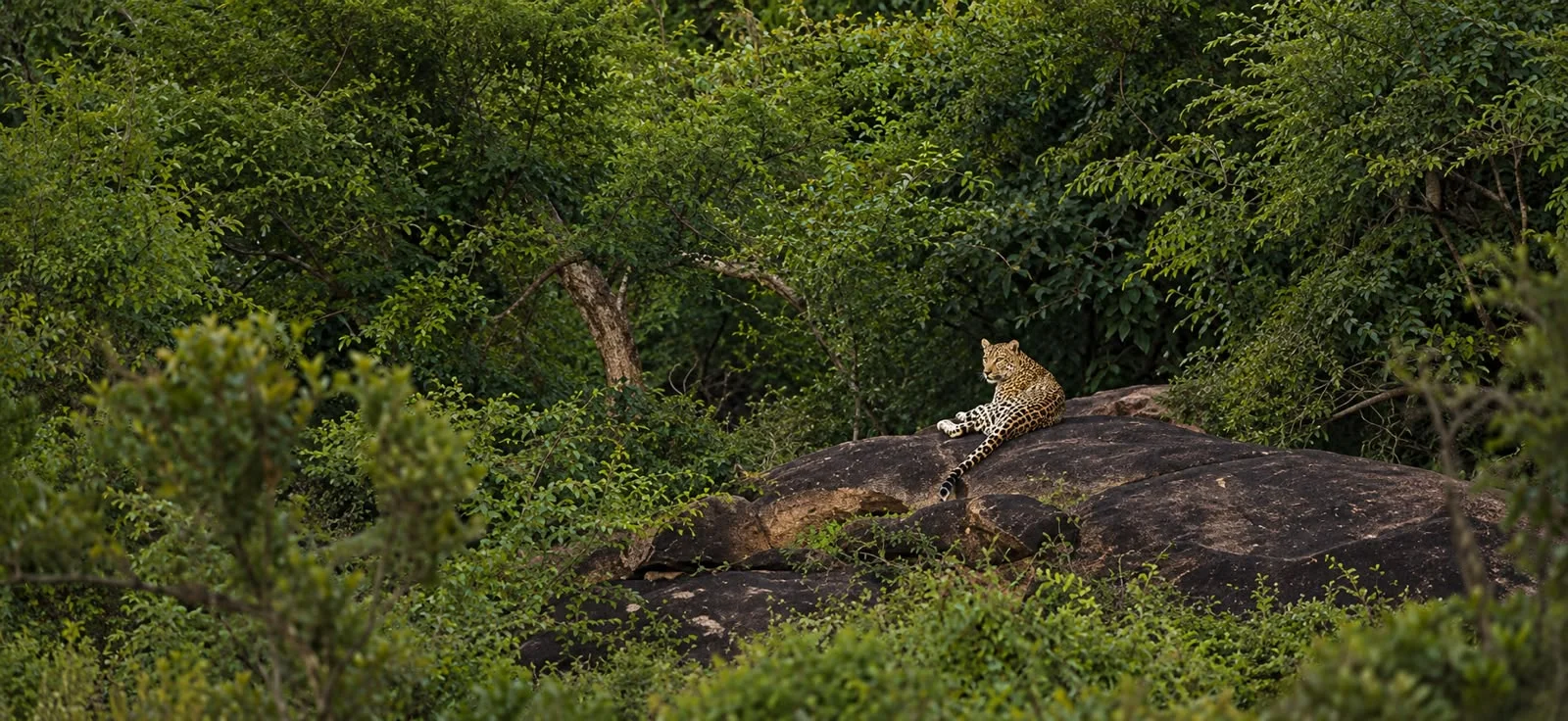
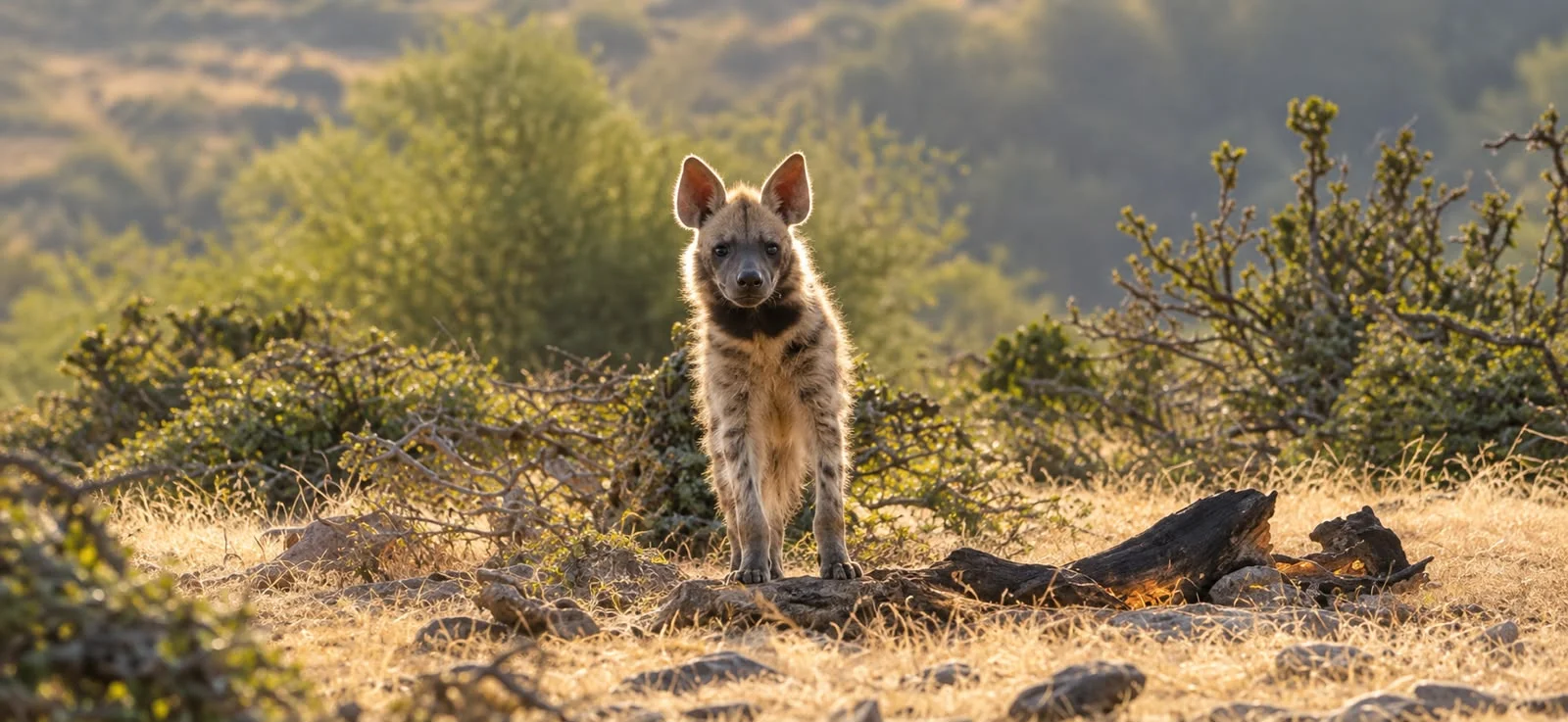
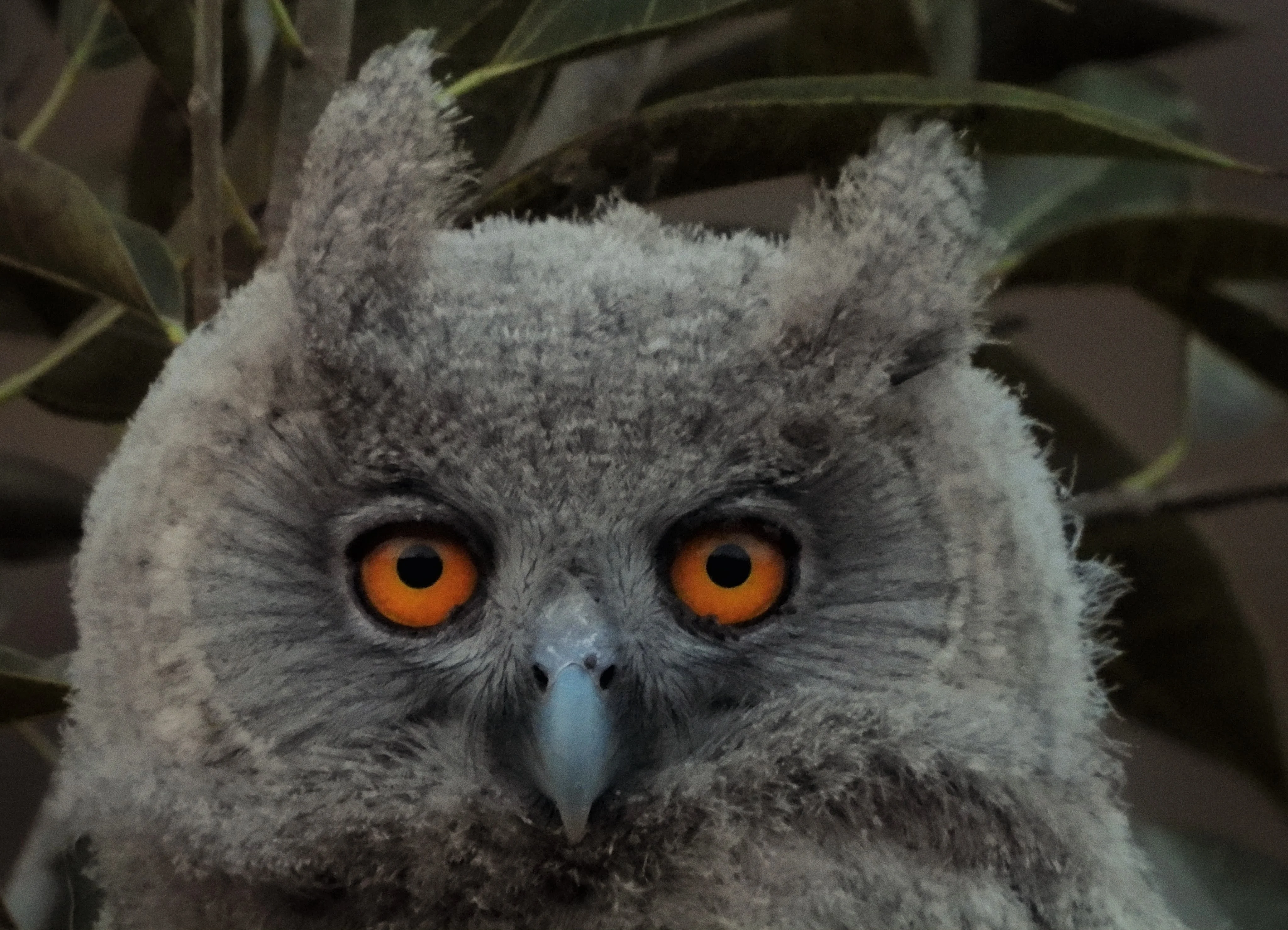
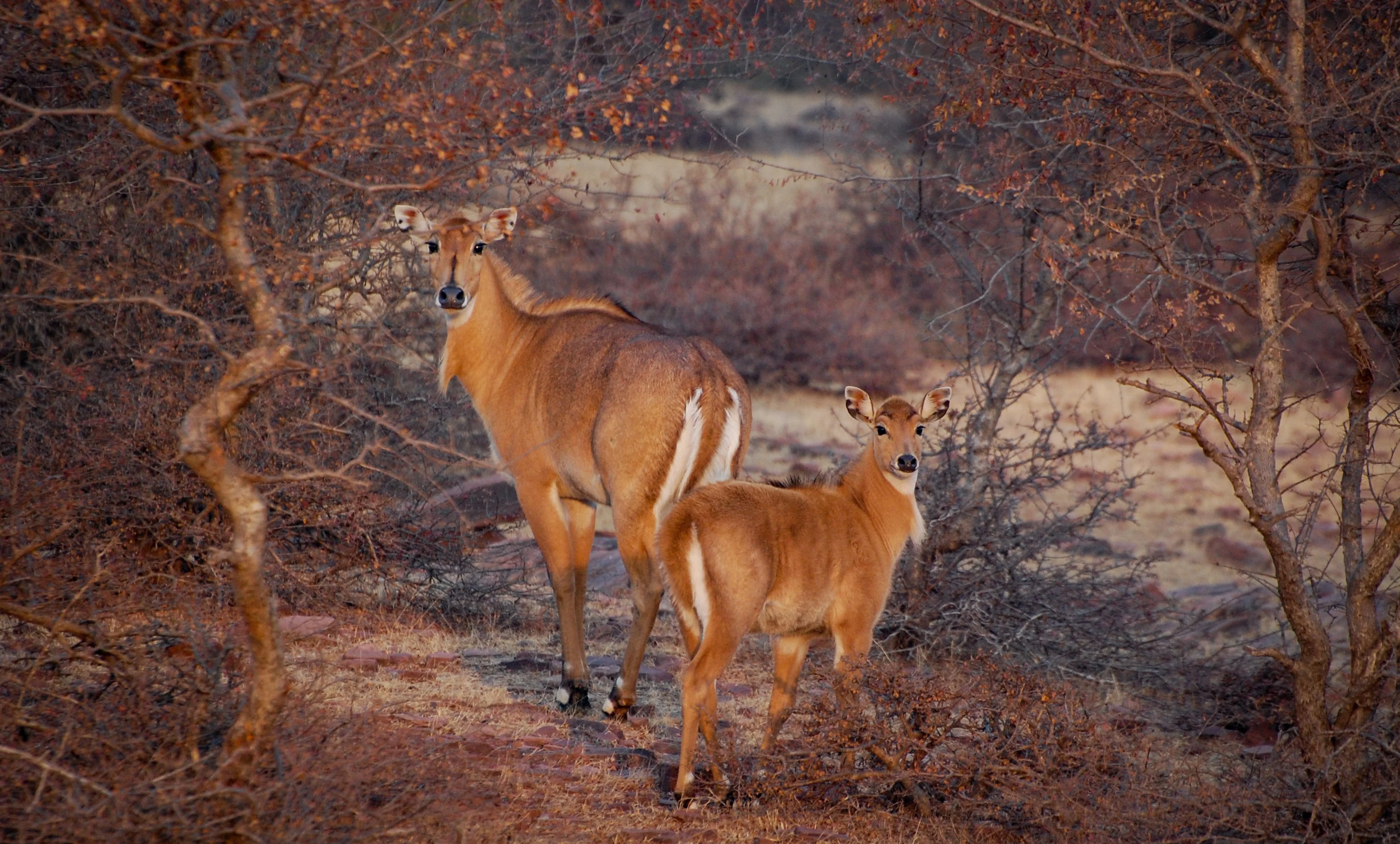
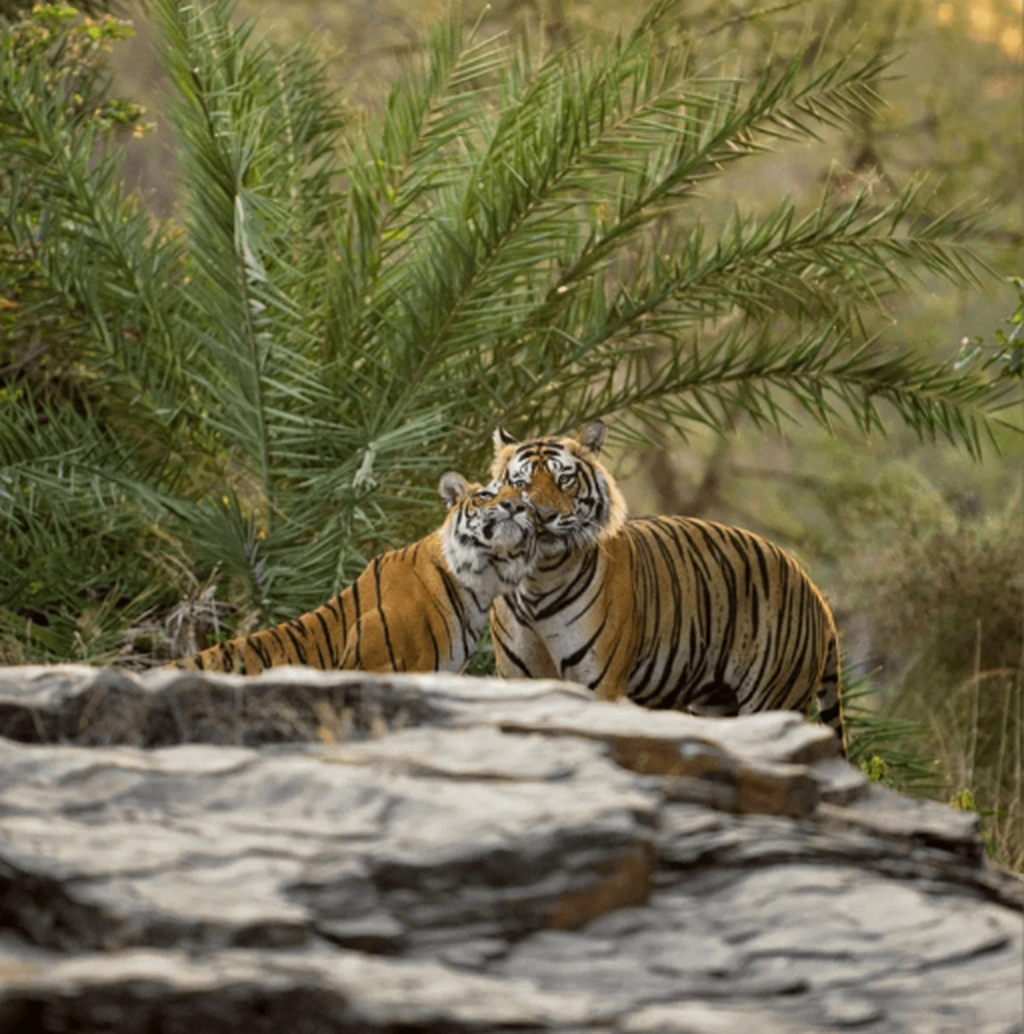
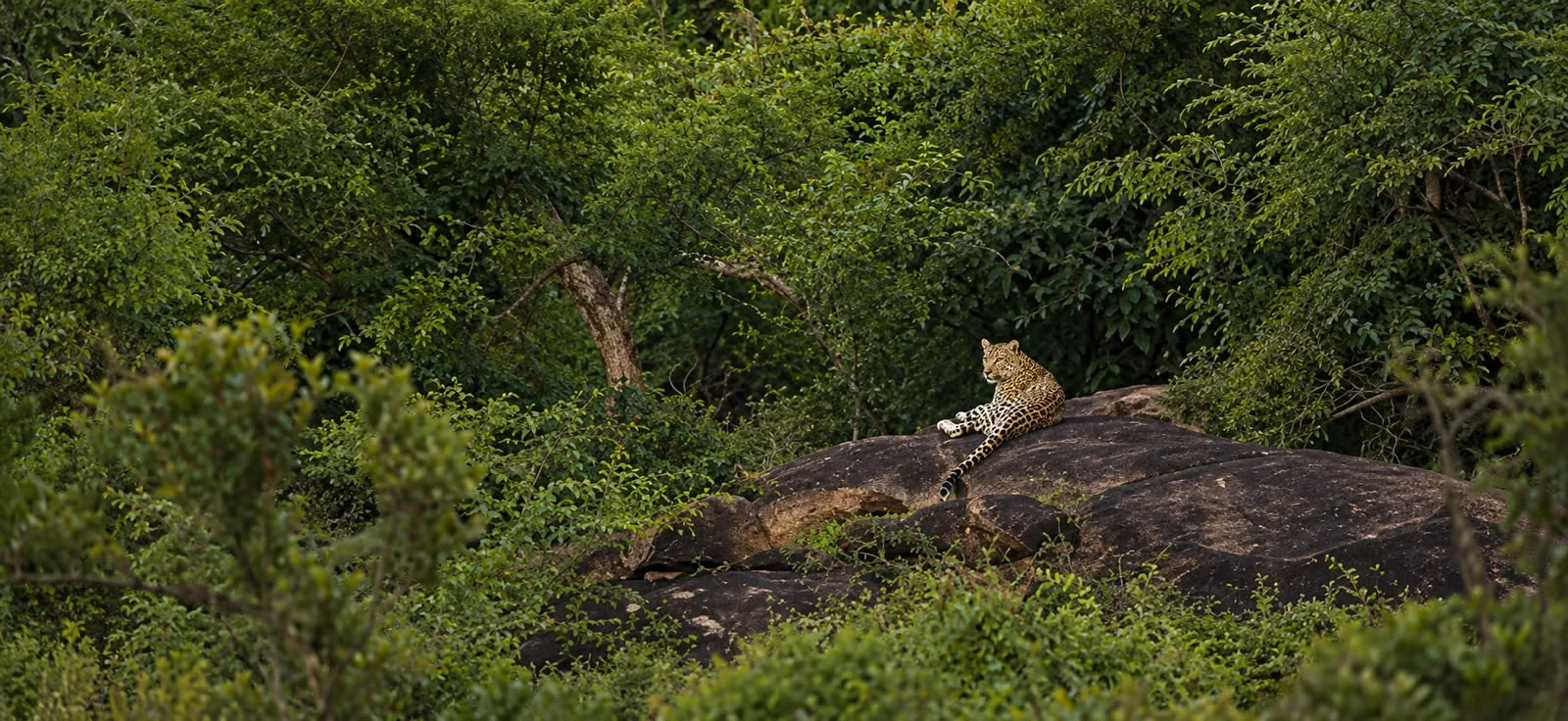
The wilderness surrounding Ramathra Fort extends across the rugged Daang plateau, the Kalisil River valley and the countryside leading towards the Chambal valley and Ranthambhore. This varied landscape supports a remarkable diversity of wildlife.
The scrublands and open countryside around Ramathra are home to blue bulls, as well as several varieties of deer. With patience and a little luck, visitors may spot them grazing across the landscape.
Wolves, jackals, hyenas and panthers inhabit the wider wilderness of the Daang plateau. Sloth bears and wild boar are also part of this landscape, though sightings are never guaranteed.
The lake attracts ducks, storks and cormorants during winter, while kingfishers, sarus cranes, stilts, herons and local waterfowl can be seen throughout the year.
Living Lightly on the Land
Our approach to hospitality is rooted in a respect for the place we call home. From the restoration of a historic fort using local materials and craftspeople to the reuse of water and the sourcing of food locally, we seek to make our presence more mindful of the surrounding environment.
Recycled water from the fort is used to support trees on the surrounding hill, helping sustain the restored landscape.
Vegetables are grown organically on the farm below the hill, with other food supplies sourced locally wherever possible.
The 350-year-old fort has been restored using local materials, traditional building techniques and the skills of local artisans and workmen.
The team, including local guides and boatmen, comes from nearby villages. Their knowledge and connection to the landscape are an integral part of the Ramathra experience.