The Living Heritage of Ramathra
Ramathra Fort is more than an old building preserved for visitors. It is a living piece of Rajasthan's history—one where architecture, family, craftsmanship and the surrounding community continue to shape the experience.
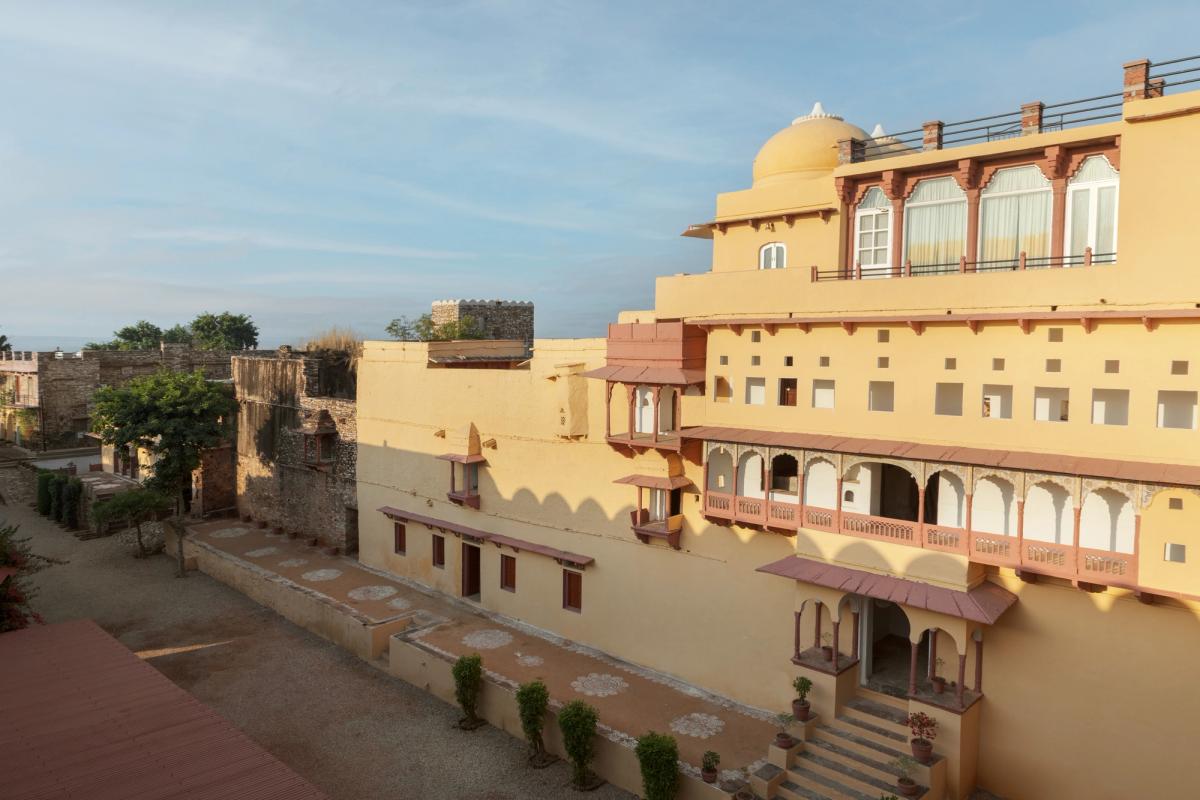
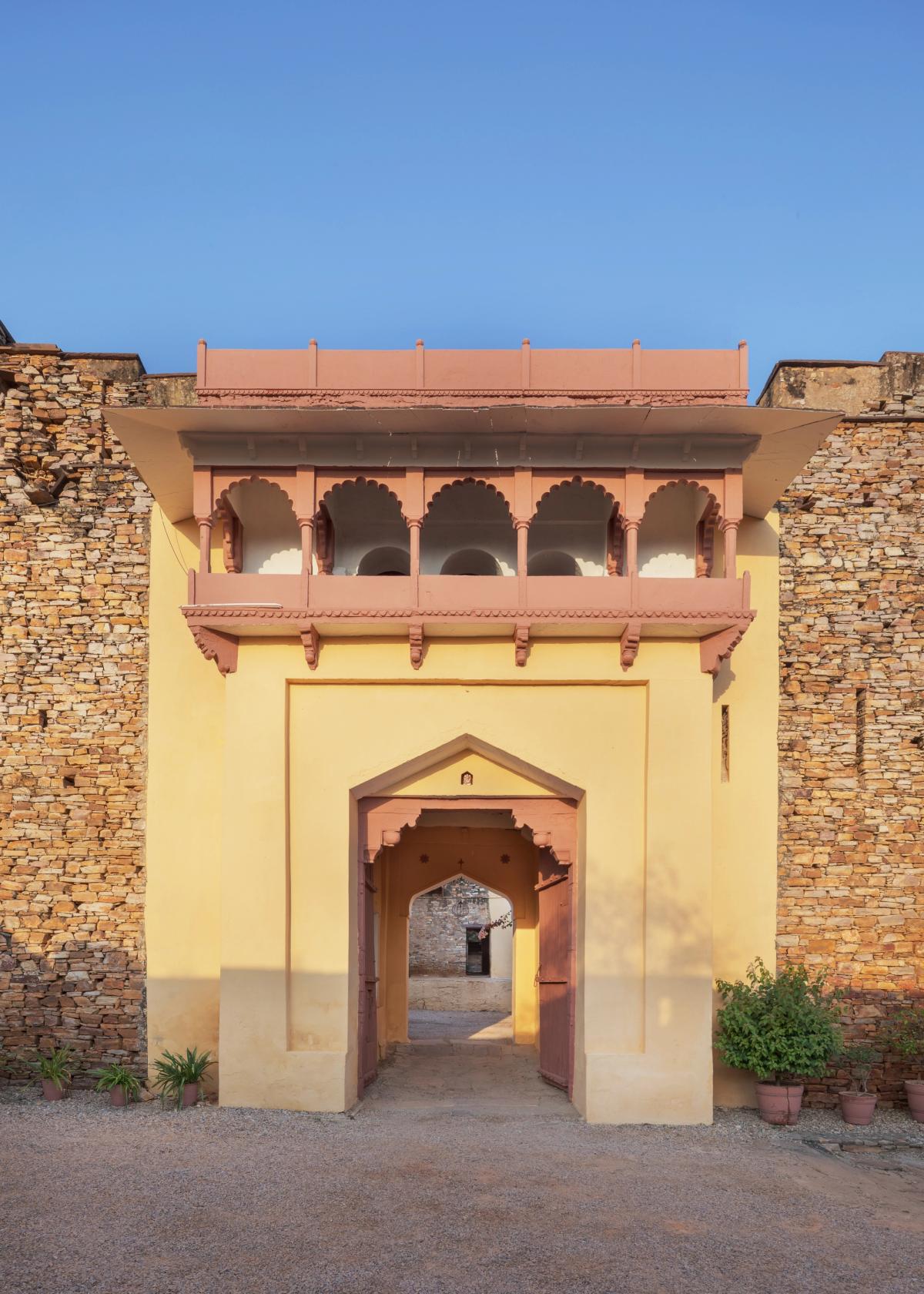
Where History Continues to Breathe Ramathra Fort is more than an old building preserved for visitors. It is a living piece of Rajasthan's history—one where architecture, family, craftsmanship and the surrounding community continue to shape the experience. The story of Ramathra begins in 1645 AD, when the estate was granted as a jagir to Thakur Bhoj Pal by his father, the Maharaja of Karauli. The fort that followed was built as a defensive stronghold, with substantial perimeter walls and broad ramparts overlooking the countryside. Built For The Landscape Ramathra was never designed as a conventional palace. Its architecture reflects its original purpose as a battle fort. Stone walls, parapets and elevated ramparts were designed around defence and the terrain, while traditional details such as stone lattices and painted ceilings bring a quieter elegance to the interiors. Today, sections of the fort continue to be restored using traditional construction techniques and local artisans. Heritage Beyond Architecture The story of Ramathra does not end with the fort's walls. The surrounding village, farmland, lake and wilderness are all part of the heritage of this place. The property describes its staff, including guides and boatmen, as coming from the local community, creating a connection between the fort and the people who live around it. The fort has also undertaken ecological restoration, including reforestation of the hill and the reuse of recycled water for planting. According to the property's own account, wildlife has gradually returned to the hill as vegetation has recovered. Preserving A Way Of Life Perhaps the greatest luxury at Ramathra is not something that has been added. It is something that has been preserved. The quiet of the countryside. The old stone of the fort. The traditions of the surrounding villages. The lake and its birdlife. The changing landscape beyond the ramparts. Ramathra invites guests not simply to visit a historic fort, but to spend time within a landscape where history and everyday life continue side by side. A heritage that is not merely remembered, but lived.